October 4, 2026
Shopping for flooring can be a significant decision for homeowners, affecting the aesthetics, functionality, comfort, and value of a home. With so many materials, colors, finishes, and price points available, understanding your options before visiting flooring stores can make the process much easier. Whether you are updating a single room or renovating an entire property, the right flooring should complement your lifestyle while meeting practical needs. Factors such as durability, moisture resistance, maintenance, installation requirements, and long-term value should all influence the final decision. Preparing in advance helps homeowners compare products confidently and avoid choices that may create unnecessary maintenance or replacement costs later.
Understanding Different Types of Flooring
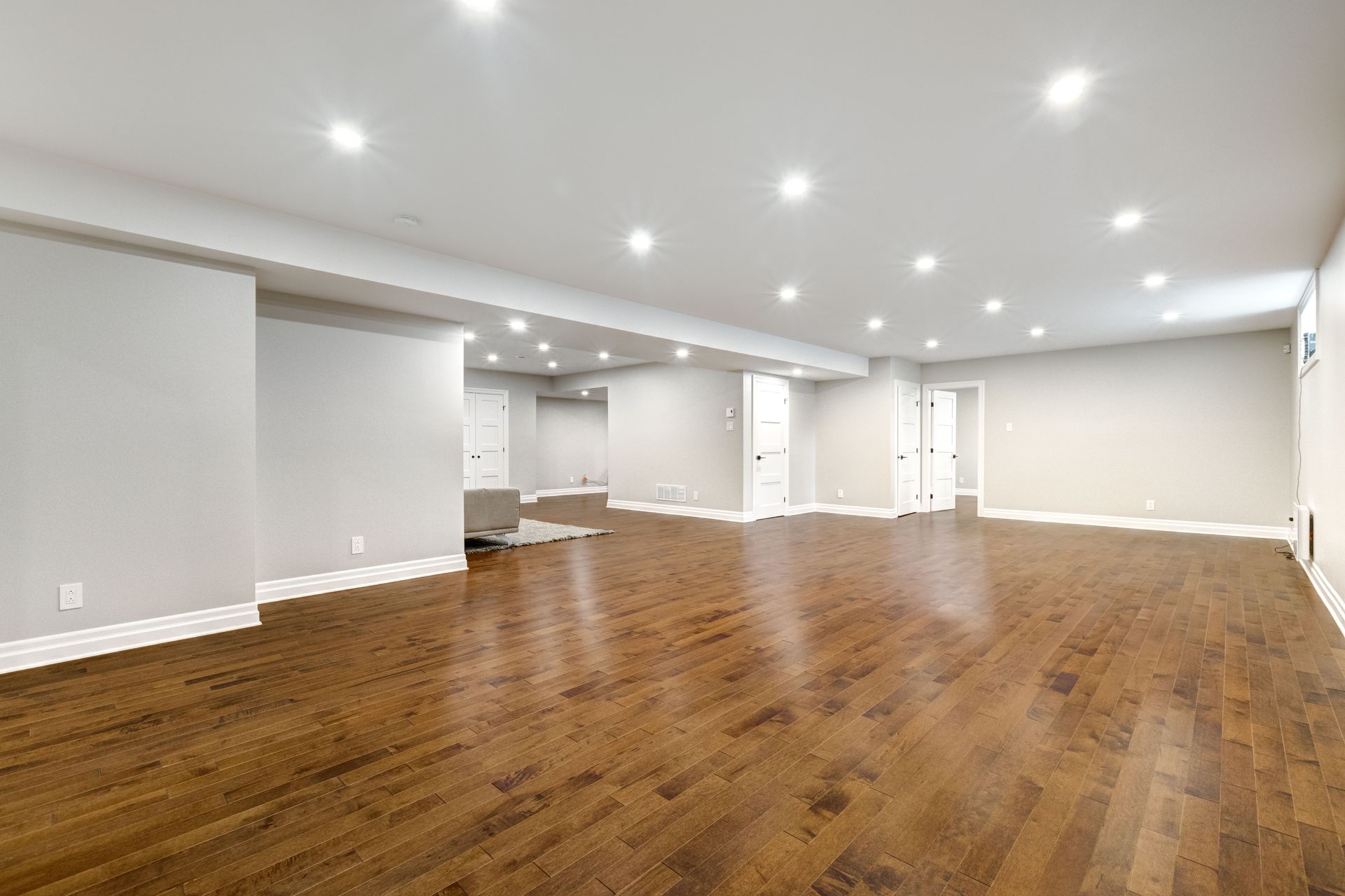
Hardwood flooring is celebrated for its timeless appearance and the warmth it can bring to living rooms, dining areas, bedrooms, and other spaces. One major advantage is that many hardwood floors can be sanded and refinished multiple times, allowing homeowners to restore their appearance or update the finish. However, wood can be vulnerable to scratches, moisture, and changes in humidity. These characteristics make it important to consider the environment in which the material will be installed before making a purchase.
Laminate provides a more budget-conscious alternative while offering numerous styles that imitate wood, stone, and other natural materials. Modern manufacturing techniques have improved its realistic appearance, and its resistance to scratches makes it useful in busy households. Luxury vinyl is another versatile choice because it combines durability with water resistance and can replicate many natural surfaces. Homeowners comparing these materials at flooring stores should examine samples closely to understand differences in texture, thickness, construction, and overall quality.
Considering Carpet, Tile, and Specialty Materials
Carpet remains popular for bedrooms and living spaces where softness, warmth, and sound absorption are priorities. Different fibers, pile heights, and stain-resistant treatments can affect durability and maintenance requirements. Regular vacuuming and periodic deep cleaning are typically necessary to preserve its appearance. Households with children or pets may want to prioritize products specifically designed to withstand frequent use and accidental spills.
Tile is particularly useful in kitchens, bathrooms, entryways, and other areas exposed to moisture. Its durability can make it a worthwhile long-term investment, although installation may require additional labor and subfloor preparation. Other options, including cork, bamboo, engineered wood, and specialty resilient products, provide homeowners with even more possibilities. Comparing several materials rather than automatically selecting a familiar option can reveal solutions that better fit a home's particular conditions.
Establishing a Realistic Flooring Budget
The purchase price of flooring is only one component of the total project expense. Homeowners should account for underlayment, adhesives, trim, transitions, delivery, old-floor removal, subfloor repairs, and professional labor where necessary. Some flooring stores provide estimates that combine materials and installation, while others price these services separately. Asking for a detailed breakdown can make comparisons easier and reduce the chance of unexpected expenses appearing after the project begins.
Long-term value should also be considered alongside initial price. An inexpensive material requiring frequent replacement may ultimately cost more than a durable product with a higher upfront price. Maintenance expenses can also vary substantially. Hardwood may require refinishing eventually, carpet may need professional cleaning, and certain tile installations may require grout maintenance. Thinking beyond the initial purchase helps homeowners establish a more realistic lifetime budget.
Assessing Your Home and Individual Rooms
Foot traffic is an important consideration because different areas experience very different levels of daily wear. Hallways, kitchens, family rooms, and entryways typically require materials capable of handling frequent movement. Bedrooms and other quieter areas may allow greater flexibility, especially when comfort is more important than extreme durability. Families with pets should also consider resistance to scratching, stains, and moisture when evaluating potential materials.
The function of each room should influence the selection as well. Bathrooms and laundry rooms generally benefit from moisture-resistant surfaces, while bedrooms may prioritize warmth and softness. Kitchens require materials capable of handling spills, dropped objects, and regular cleaning. Experienced flooring stores can help homeowners compare products according to these practical requirements rather than focusing exclusively on appearance.
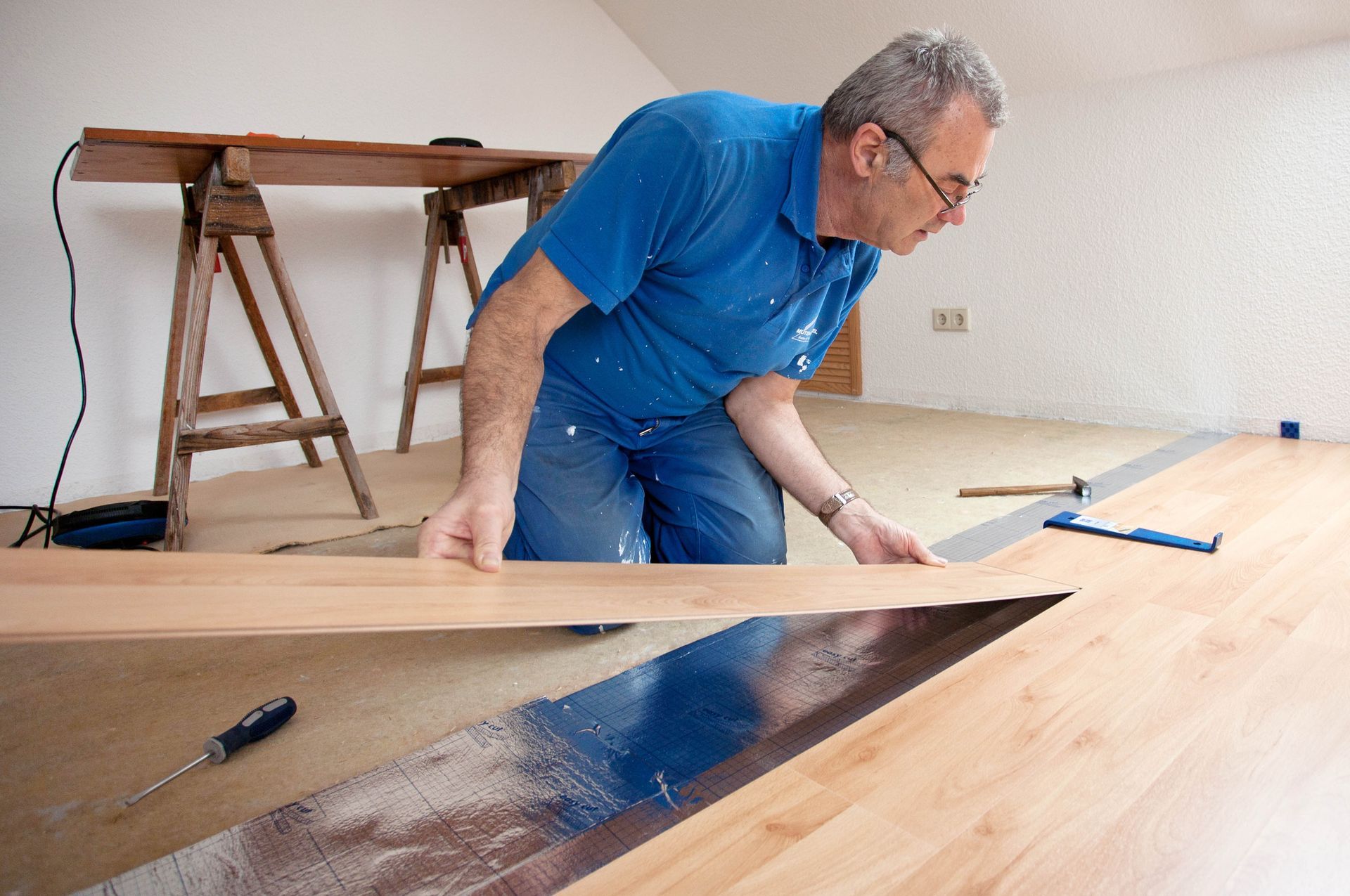
Climate and subfloor conditions should also be evaluated. Hardwood may expand or contract as humidity levels change, while some resilient products offer greater stability in moisture-prone environments. Uneven surfaces, structural damage, or moisture problems within a subfloor should be repaired before installation. Correct preparation creates a stable foundation and reduces the likelihood of gaps, cracks, movement, or premature wear.
Balancing Design With Everyday Practicality
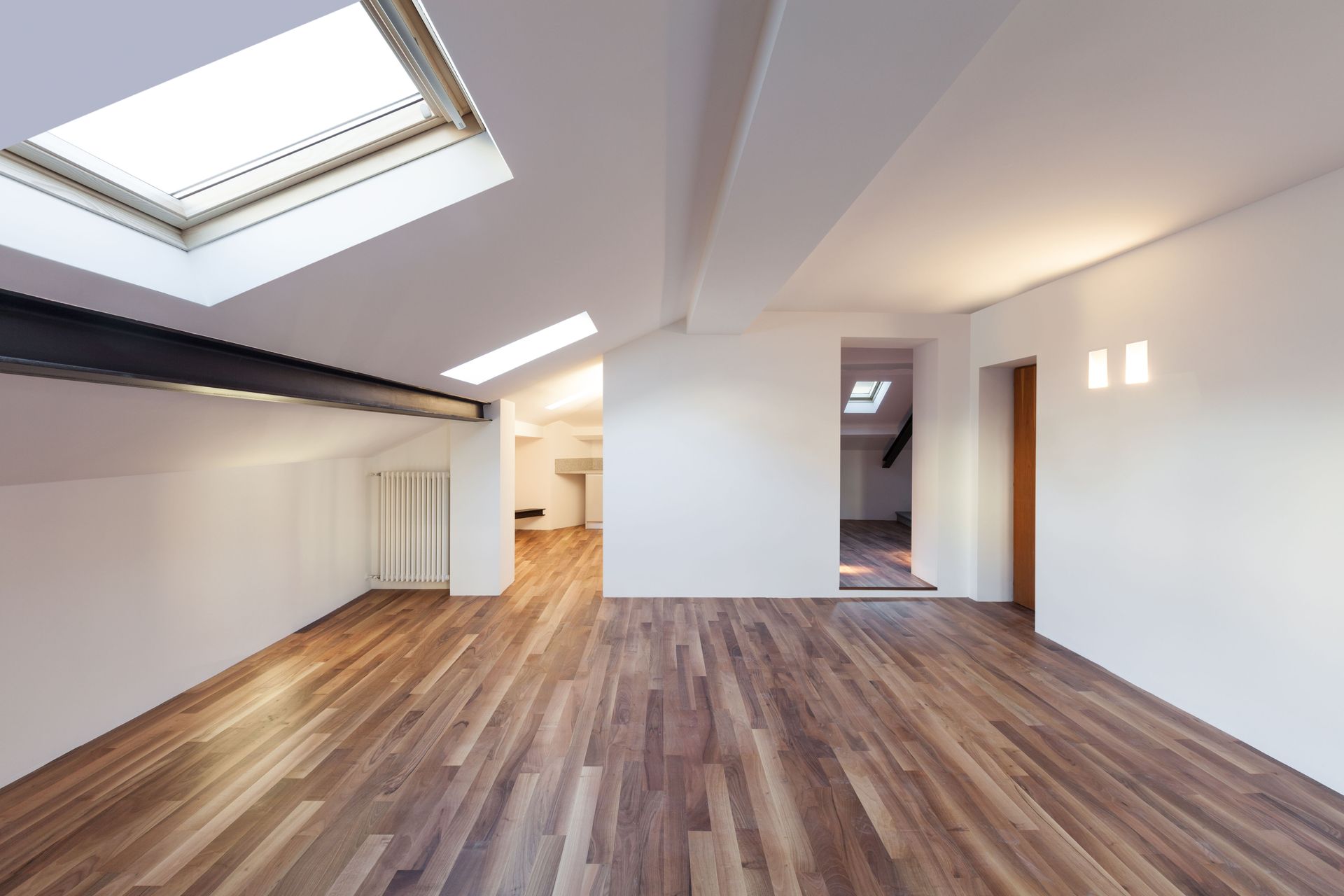
Flooring occupies a large visual area, making color, texture, plank size, pattern, and finish important design considerations. Lighter colors can help smaller rooms feel more open, while darker tones may create a richer or more dramatic atmosphere. Neutral surfaces often provide flexibility when furniture, paint colors, or decorative styles change in the future. Bringing samples home allows homeowners to evaluate how materials look alongside existing cabinetry, walls, furniture, and lighting.
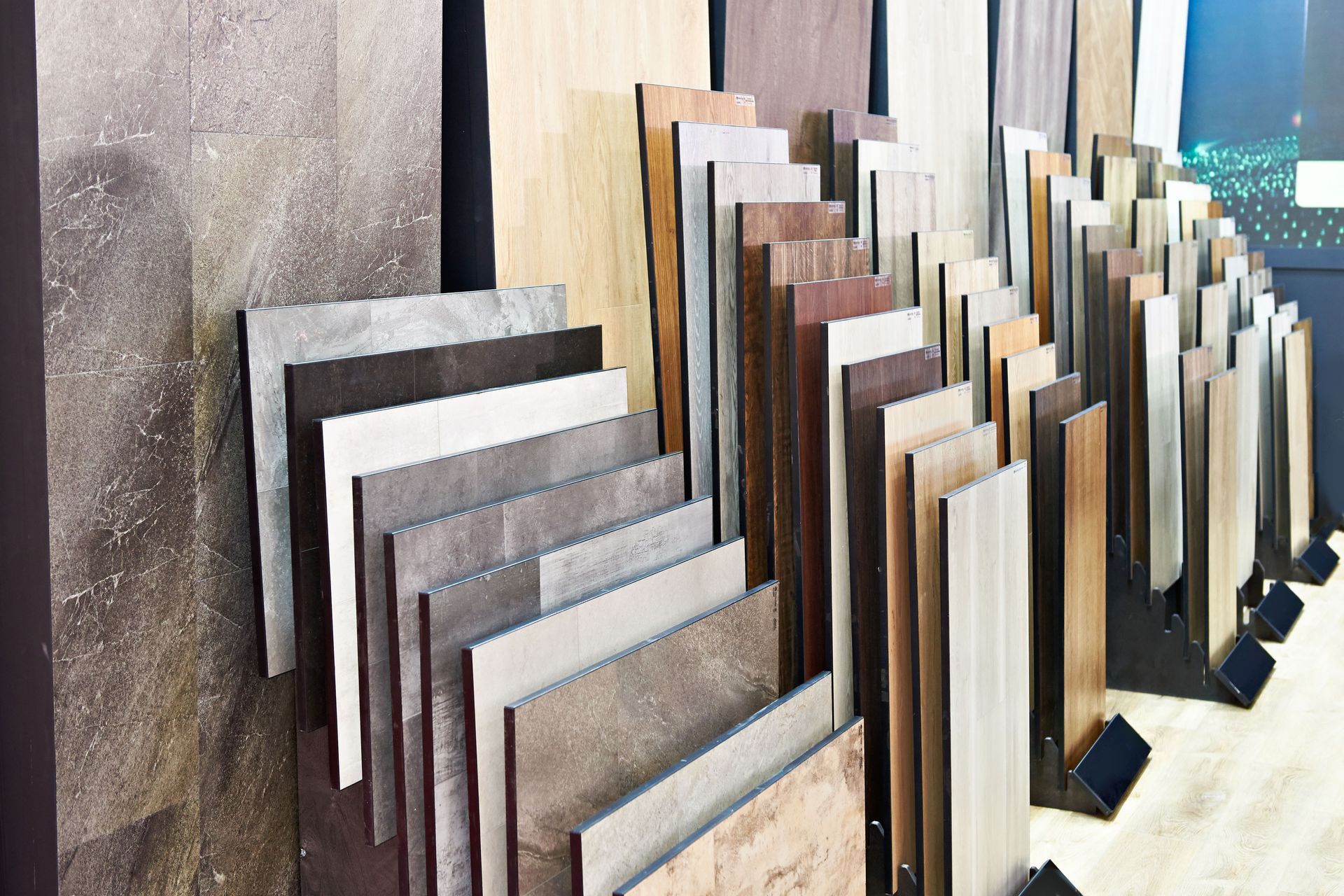
Appearance should still be balanced with practical performance. A beautiful material may become frustrating if it requires more maintenance than a household can realistically provide. Visiting flooring stores and examining full-size displays can provide a clearer impression than relying solely on photographs. Homeowners can also compare how different surfaces feel underfoot and see how finishes react to natural and artificial lighting.
Comparing Retailers, Warranties, and Product Quality
Choosing where to purchase flooring can influence the overall experience almost as much as selecting the material itself. Local retailers may provide personalized assistance, product knowledge, samples, measurements, and installation coordination. Online retailers can offer broad selections and convenient price comparisons, but homeowners may have fewer opportunities to inspect products before ordering. Comparing warranties, delivery policies, installation services, and customer support can reveal meaningful differences between sellers.
Customer reviews may provide useful information about product durability, installation experiences, and retailer responsiveness. Rather than relying on a single review, homeowners should look for recurring themes across multiple customer experiences. Reputable flooring stores should also be willing to explain product specifications, maintenance requirements, recommended applications, and warranty limitations before a purchase is finalized.
Warranty documentation deserves careful attention. Coverage may address manufacturing defects, structural problems, stains, or premature wear, but improper installation or maintenance could affect eligibility. Return policies should also be reviewed for deadlines, restocking fees, opened-package restrictions, and special-order exclusions. Understanding these conditions before purchasing can prevent costly misunderstandings later.
Measuring and Ordering the Correct Amount
Accurate measurements help prevent unnecessary expenses and project delays. Flooring quantities must account for room dimensions as well as closets, alcoves, stairs, transitions, and irregular layouts. Most projects also require additional material for cuts, pattern alignment, damaged pieces, and future repairs. The appropriate waste allowance varies according to the flooring type and complexity of the installation.
Professional measurements can be especially valuable for complicated layouts. Before ordering, homeowners should verify calculations and confirm whether materials are sold by the square foot, carton, tile, or another unit. Many flooring stores can assist with estimating quantities based on room measurements, helping customers purchase enough material without creating excessive waste. Keeping a small quantity of matching material after installation can also be useful for future repairs.
Regular inspections can also identify minor problems before they become expensive repairs. Loose tiles, damaged planks, worn finishes, lifted edges, or moisture concerns should be addressed early. Homeowners should follow manufacturer recommendations for cleaning products, refinishing schedules, and preventative maintenance. With careful product selection, proper installation, and consistent care, new flooring can remain attractive and functional for many years while protecting the homeowner's investment. Contact our team at The Flooring Guys today and learn more about our flooring services.